



Executive Summary: This article examines the complex mechanisms behind virality on social media, illustrating its dynamics. The article presents three recent real world cases at the outset: the emotional disclosure of Jeremy Hooper, AI generated misinformation during the Venezuelan crisis, and the public backlash to Duolingo’s AI first announcement. These examples demonstrate that viral content is defined not by paid promotion but by rapid, large scale, user driven diffusion driven by spontaneous engagement. The paper differentiates between reach, engagement, and sharing, clarifying that virality emerges from the combined impact of algorithmic amplification and human behavior, with neither element alone sufficient to trigger widespread dissemination. Drawing on a UCLA DataRes study, the report highlights that virality varies significantly by content type, hashtags, geography and emotionality—showing almost zero correlation between views and traditional engagement metrics. Emotional content, whether positive or negative, is more likely to go viral than neutral messaging. Supporting evidence from Stanford and Harvard Business Review further confirms that high arousal negative content tends to spread fastest, raising concerns about the societal risks of outrage driven virality. The article concludes by examining whether virality can be engineered. Research suggests that simple, cognitively easy messages, clear wording, and short form content enhance engagement. Nevertheless, the article warns that the interplay of human biases and algorithmic incentives continues to create harmful viral phenomena, underscoring the need for stronger policy intervention.
1.0Introduction:
Scenario 1: In January 2025, Jeremy Hooper, an ordinary individual from the United States, gained widespread attention after sharing a poignant post on X (formerly known as Twitter). He revealed that he was the last surviving member of his immediate family, following the tragic deaths of his parents and younger siblings. This heartfelt content resonated on multiple social media platforms, including Instagram and TikTok, reaching millions of viewers. The raw authenticity of his narrative struck a chord with social media users worldwide, shedding light on the profound emotional struggles faced by lonely young people.
Scenario 2: During the Venezuelan crisis, social media became inundated with AI-generated content that fabricated military actions, arrest and extradition of Nicholas Maduro. The widespread misinformation was so compelling that ordinary users frequently found themselves confused, as some descriptions contradicted the actual facts reported by mainstream media.
Scenario 3: In May 2025, Duolingo announced its transition to an AI-first operating model, which could potentially diminish the role of human involvement. This announcement quickly went viral across various social media platforms like TikTok and Instagram. Despite Duolingo’s robust and popular online presence, this particular incident sparked controversy. Thousands of users inundated the company’s posts with critical comments, accusing the brand of prioritizing automation over its workforce, devaluing creative labor, and masking cost-cutting measures behind the facade of innovation.
The three scenarios presented illustrate various reasons and outcomes for the virality of social media posts. In this context, ‘viral’ describes a post that reaches a broad audience through user sharing rather than through paid promotion by a single entity. Thus, virality on social media arises from users’ spontaneous interest and engagement, which facilitates the dissemination of content, sparking reactions and interactions. There are three key attributes of virality: speed (the rate at which content spreads), scale (the number of users engaged), and social transmission (the method through which it spreads from one user to another).
There is no fixed or universal benchmark for virality; it can vary depending on the platform, the context of the posts, and the target audience. For example, a thousand views for sports or music-related content may be relatively modest, while the same level of engagement for academic content can signify considerable virality.
What factors contribute to making social media content viral? This question has attracted attention from both academics and practitioners alike. Is there a recognizable trend, or is it purely coincidental? This article explores some of the key elements that shape virality and their implications for different user groups.
2.0 What going global actually means
To better understand what makes social media posts go viral, it is crucial to distinguish between reach, engagement, and sharing. Although these concepts are often conflated and closely interconnected, they possess different dynamics that can influence content diffusion in varying ways. Reach refers to the number of users exposed to the content, but this does not necessarily imply that they have paid attention to, reacted to, or interacted with it. Reach is typically driven by algorithmic placement in feeds or the sharing behavior of other users. The former is influenced by a user’s digital personality and behavior, while the latter depends on the actions of their connections. Engagement, on the other hand, encompasses various forms of interaction with a post, including likes, comments, and clicks, which serve as key indicators of user involvement. Lastly, sharing involves reposting, retweeting, or resharing, which amplifies the reach of content and enables it to spread beyond the confines of algorithmic mapping based on a user’s social media preferences and personality.
Virality results from the interplay between algorithmic amplification and human behavior within the digital landscape. It is often argued that neither aspect alone can effectively make content go viral. Social media platforms categorize content for individual users based on their previous engagement and behavior, utilizing ranking algorithms optimized for metrics such as shares, comments, and viewing history. Consequently, algorithmic mapping alone is insufficient unless content garners higher levels of human engagement and interaction. Once amplified, a visible level of popularity serves as social proof, motivating further sharing by users who perceive the engagement volume as an indicator of relevance or importance.
Virality, by nature, tends to be short-lived. It functions much like a sudden surge of high-impact social media diffusion. It is often argued that viral news and posts primarily generate a temporary burst of attention. This duration can range from hours to days before gradually fading away. For instance, the three examples provided in the introduction of this article illustrate a spike in collective attention rather than the onset of sustained growth. These brief surges can have a disproportionate impact, influencing public discourse, reputational outcomes, and emotional reactions far beyond their temporary existence.
3.0 The corelations between views, likes, shares and comments
A recent study by DataRes at UCLA explored a wide range of datasets from different social media platforms and analyzed categorical and numerical variables from top 25% of the posts that received the most views. The study finds that there is almost zero correlation between views and interactions and engagement, such as likes, shares and comments, as shown in Figure 1. These are interesting findings that contravene the more established assumption that there will be more views if there are more likes, shares and comments.
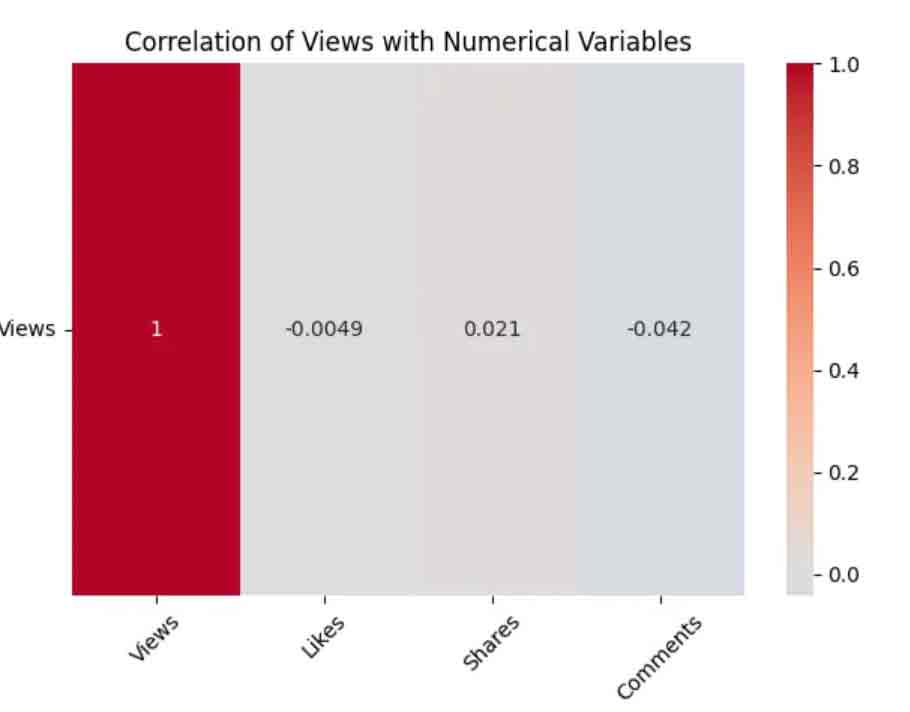 Figure 1: Correlation of views with numerical variables; source: Going Viral Isn’t Random: A Data-Backed Guide to Social Media Hits | by DataRes at UCLA | Medium
The study further analyzes the data through the lens of specific content types. It revealed that virality produced variable outcomes across different types of content and hashtags. Notably, #comedy, #gaming, and #education exhibited the highest median engagement, whereas #Tech and #Fitness recorded the lowest. The impact of video clips was found to be diminished, attributed to people’s shorter attention spans. In contrast, Tweets (on X), reels (on Facebook and Instagram), and shorts (on YouTube) demonstrated higher means and medians. Additionally, the spread and diffusion of viral posts varied significantly across countries, cultures, and languages. Germany, India, and Canada achieved the highest average views, while the USA, Japan, and Australia had the lowest averages.
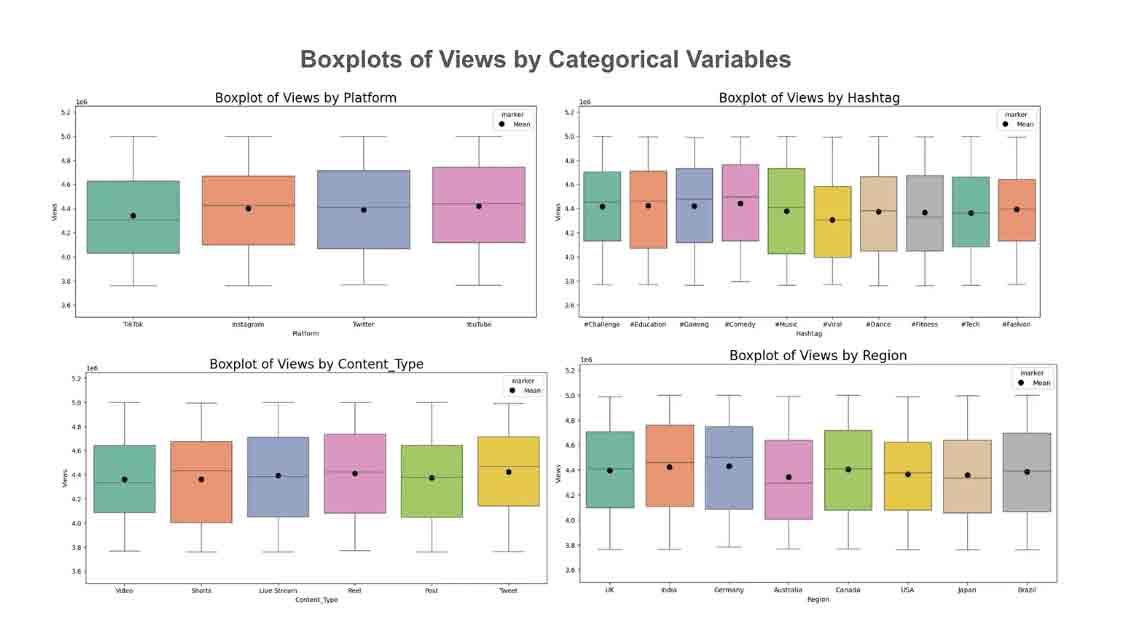 Figure 2: Categories that influence virality of social media posts; source: Going Viral Isn’t Random: A Data-Backed Guide to Social Media Hits | by DataRes at UCLA | Medium
The UCLA study illustrates the intricate factors that contribute to virality. Virality relies on various elements such as content type, hashtags, and geographic regions. By recognizing that these factors—hashtags, types of content, and location—significantly influence the number of views a post receives, we can leverage this information to craft posts more likely to attract a substantial audience.
4.0 sentiments and emotions
The UCLA study explores the emotional characteristics of the sampled content and its potential for virality. The study categorizes posts along an emotional scale ranging from negative (-1) to positive (+1), with neutral content positioned at 0. As illustrated in Figure 3, the findings suggest that for a post to achieve viral status, it must contain emotional elements. Posts that are emotionally neutral are less likely to go viral compared to those that evoke strong emotions, whether positive or negative.
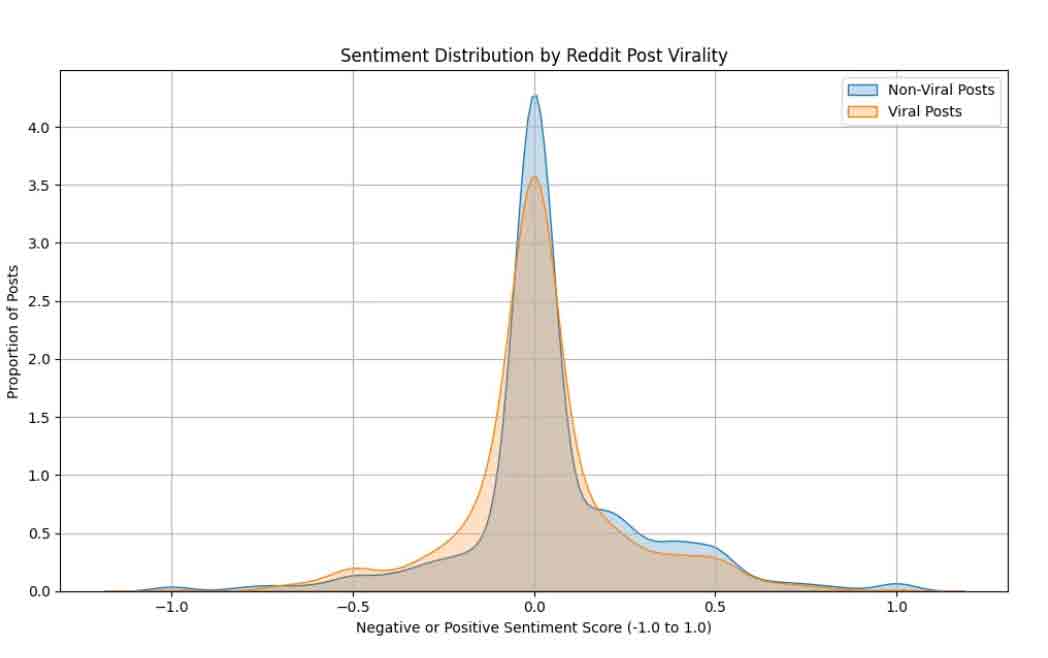 Figure 3: Emotion and virality; Going Viral Isn’t Random: A Data-Backed Guide to Social Media Hits | by DataRes at UCLA | Medium
These findings carry considerable implications. While positive emotions such as love, affection, and humor can enhance the virality of content, it is concerning that negative emotions like anger, outrage, hatred, and violence can also gain considerable traction. In recent times, racially charged riots in the UK in 2024, as well as communal and extremist violence in Bangladesh, and riots in Sri Lanka, Indonesia, and Nepal, have been sparked by emotive content that included both factual information and misinformation or disinformation.
A study by Stanford University suggests that news media projects twice as many negative emotional posts than positive ones. They have also found that politically biased news source had roughly 12% more high-arousal negative content than balanced news sources. Furthermore, these highly arousing negative posts were most likely to go viral. Another study by Harvard Business Review on 140,000 tweets conclude that outrage runs faster on Twitter (currently known as X).
The encouragement from social media platforms for users with substantial follower bases to monetize their accounts has raised significant concerns. Both policymakers and the general public are apprehensive that many influencers may turn to negative emotional content to attract more views and achieve virality, ultimately increasing their revenue.
5.0 Can virality be engineered
Despite the negative and manipulative actions of some social media influencers, there are effective strategies individuals and organizations can use to make their posts go viral. A 2024 study published in the Journal of Travel Research indicates that clear, easily understandable, and straightforward content tends to receive higher engagement. The same study found that when captions used more complex wording, engagement dropped significantly, especially in posts without strong cultural or contextual cues. This means that even if the content is interesting, difficult language discourages sharing, because it requires more cognitive effort for audiences to interpret.
One of the key factors driving the allure of simplicity is its capacity to facilitate cognitive ease for users. As they scroll through social media, users often prefer not to invest significant time and effort deciphering complex content. Instead, they tend to engage with and trust content that is easy to understand. Platforms reward posts that generate quick engagement; since simpler messages elicit faster reactions, algorithms promote them to a broader audience, heightening the chances of virality. Additionally, short-form videos that feature engaging hooks, minimal friction, and autoplay are more likely to gain traction. The widespread popularity of memes and stories also contributes to their extensive reach.
6.0 Conclusion
Recently, Meta has begun offering incentives to influencers from other platforms to encourage their transition to Facebook. We are also witnessing ongoing innovations and shifts in formats and product categories across all social media platforms. The primary goal remains to foster user engagement while staying at the forefront of industry trends. As platforms seek to boost user interaction, businesses, influencers, and everyday users are striving to derive value from their social media engagements. Notably, while only 1% of Instagram posts achieve viral status, there is a concerted effort to enhance reach, reactions, and overall engagement. However, the presence of negative emotions, human intentions, and algorithmic amplifications continues to represent a troubling aspect of virality. Policymakers and researchers consistently argue that social media platforms are falling short in their efforts to mitigate these negative effects, despite their apparent commitments. Consequently, policy interventions are essential, as the measures implemented by these platforms are inadequate to ensure that virality does not inflict harm on society.
Bidit Dey

